
DIAMOND EDUCATION
Know Your Diamond Cuts
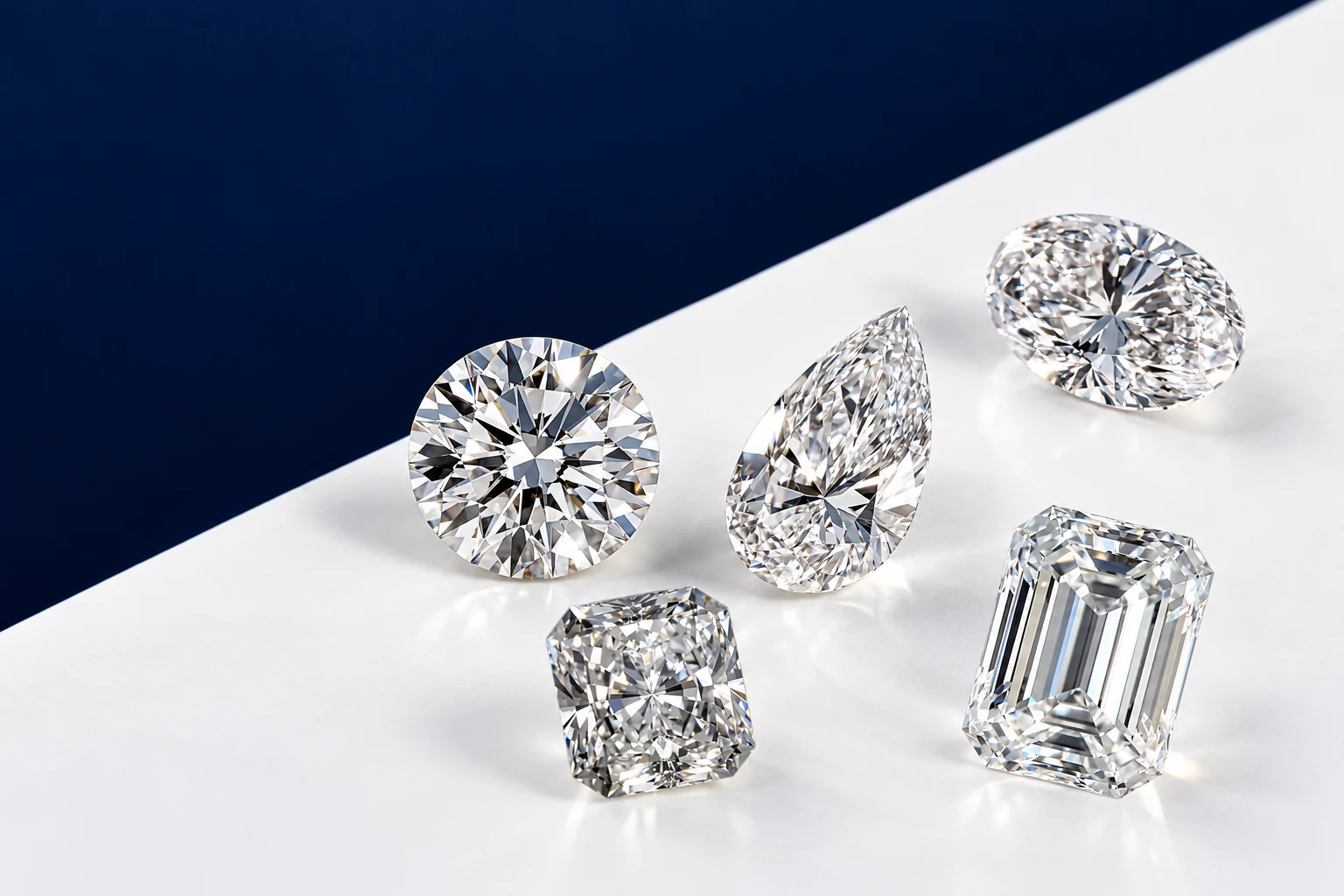
Shape, cut style and cut quality—explained clearly
Choosing a diamond shape is often the first exciting step towards an engagement ring. You may already know that you love the softness of an oval, the clean lines of an emerald cut or the bold outline of a marquise. What is less often explained is that shape, cut style and cut quality do not mean the same thing.
Understanding the difference makes it much easier to compare diamonds properly. It also explains why two diamonds with the same familiar name—or even similar details on their grading reports—can look quite different when you see them move.
At John Macintyre & Son, we help you choose the individual diamond, not simply a shape, grade or set of measurements. We consider how the diamond handles light and how its outline and proportions appear, helping you compare the individual diamond rather than relying on a shape name or measurements alone.
Shape is the outline. Cut style is the facet pattern. Cut quality is how successfully those facets have been proportioned and finished.
Three simple distinctions
Shape is the outline
Shape is the silhouette you see when the diamond is viewed from above: round, oval, pear, square, rectangular and so on. Shape is primarily a matter of personal preference. It is not a quality grade.
When worn lengthways, an elongated diamond shape can draw the eye along the finger and may create the impression of greater length. A round or softly square outline may feel more balanced and symmetrical. Crisp corners can create a clean, architectural look, while curved outlines tend to feel softer. There is no single shape that is best for everyone—the right starting point is the outline you enjoy seeing on your hand.
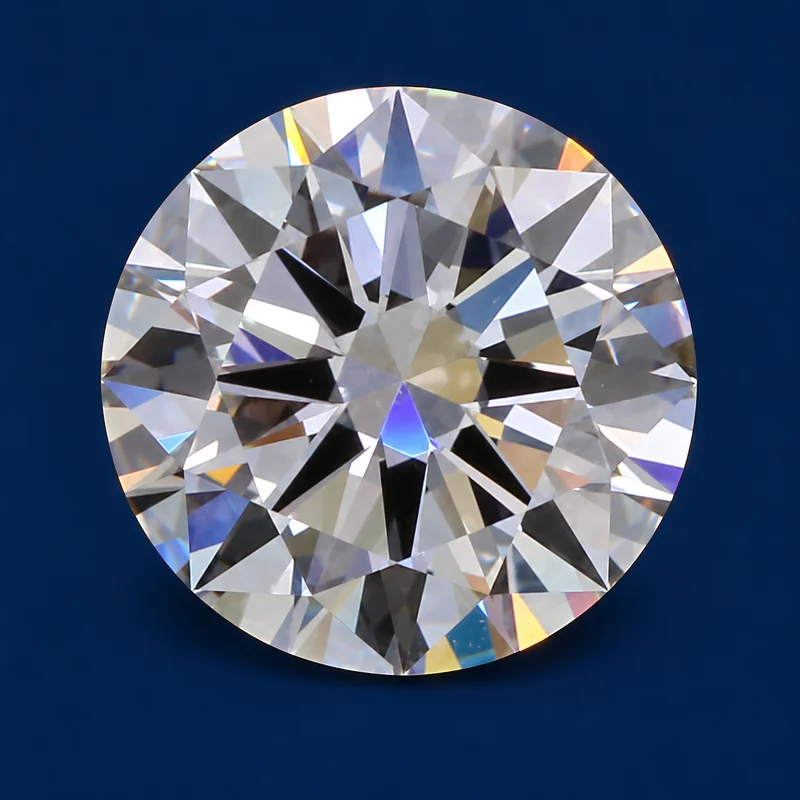
Illustrative examples—not shown to scale.
Cut style is the facet pattern
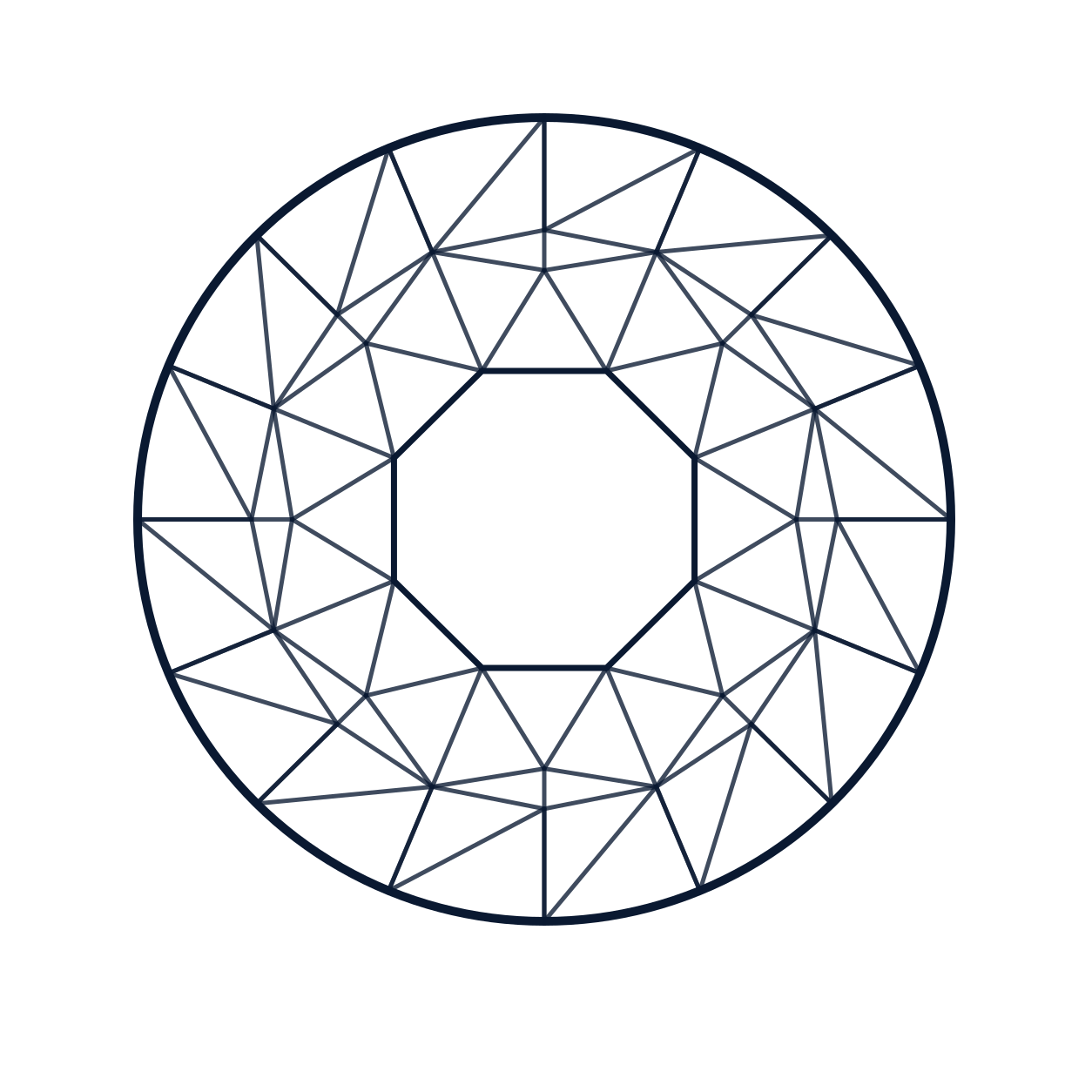
Facets are the precisely polished surfaces that influence how light enters, reflects within and exits a diamond. Their number, shape and arrangement create the pattern you see inside the outline and influence whether the diamond displays smaller, lively flashes, broad mirror-like flashes or a mixture of both.
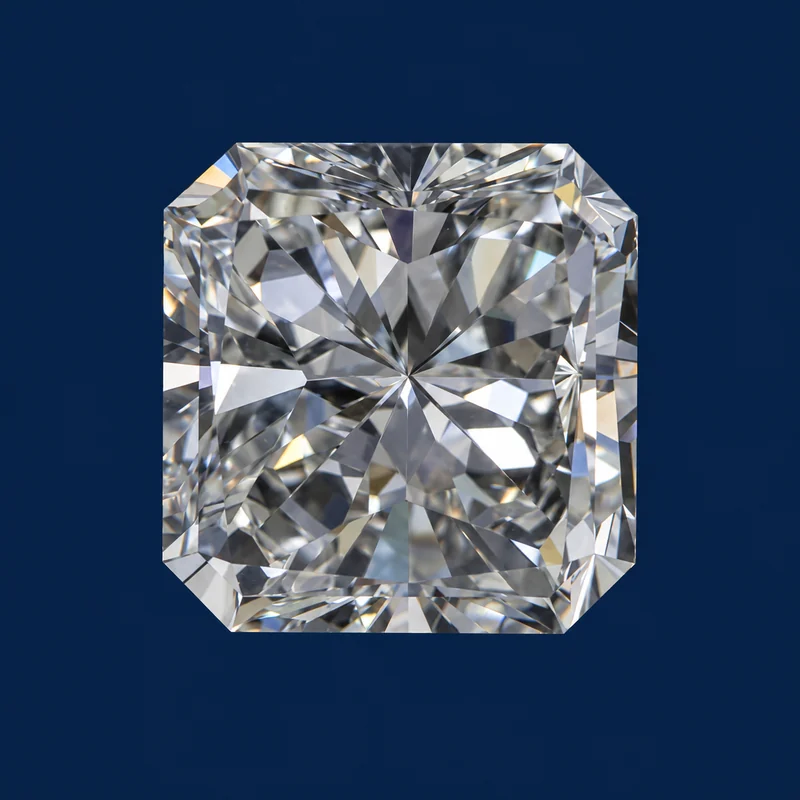
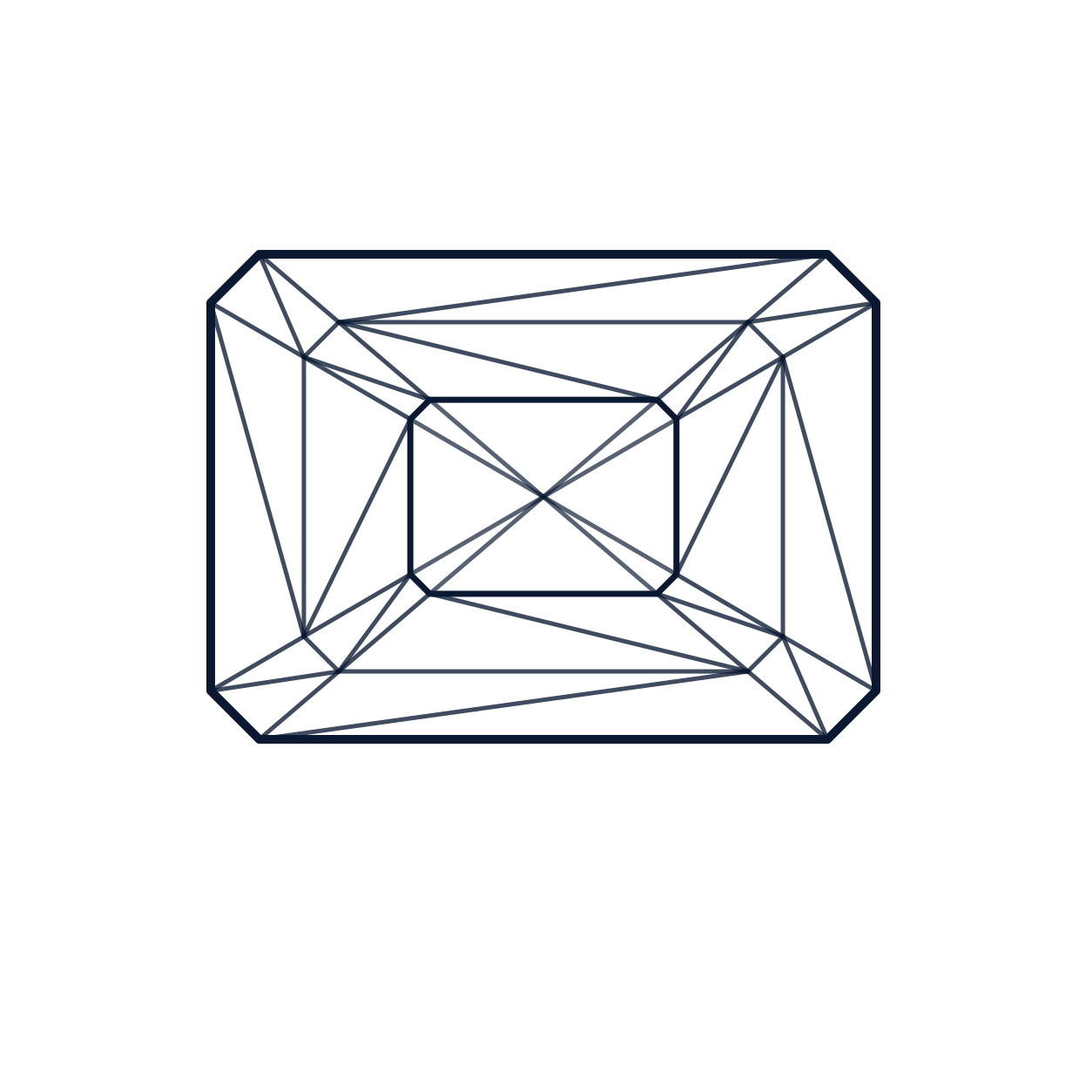
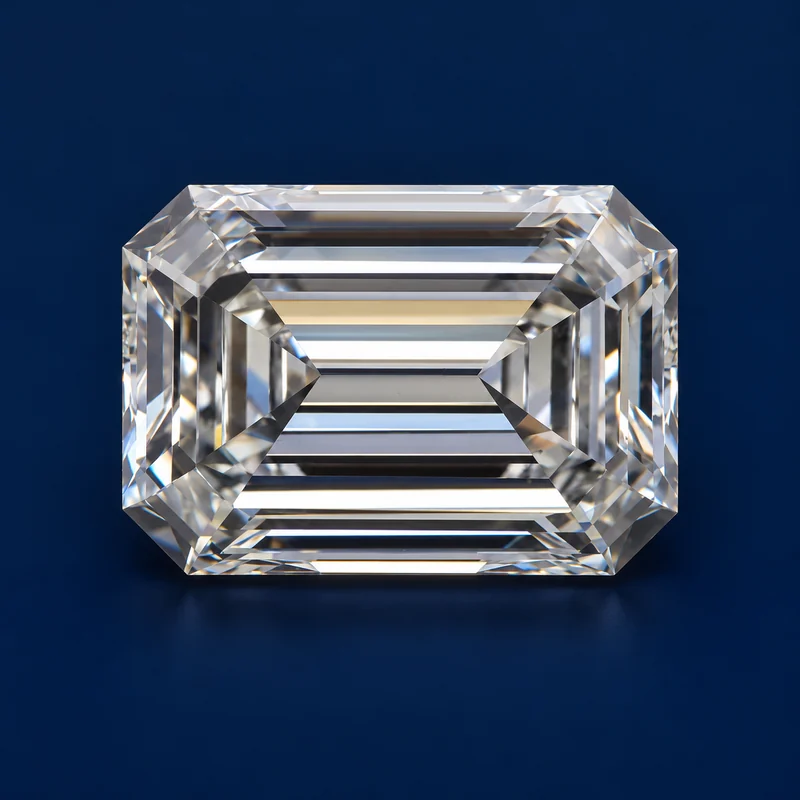
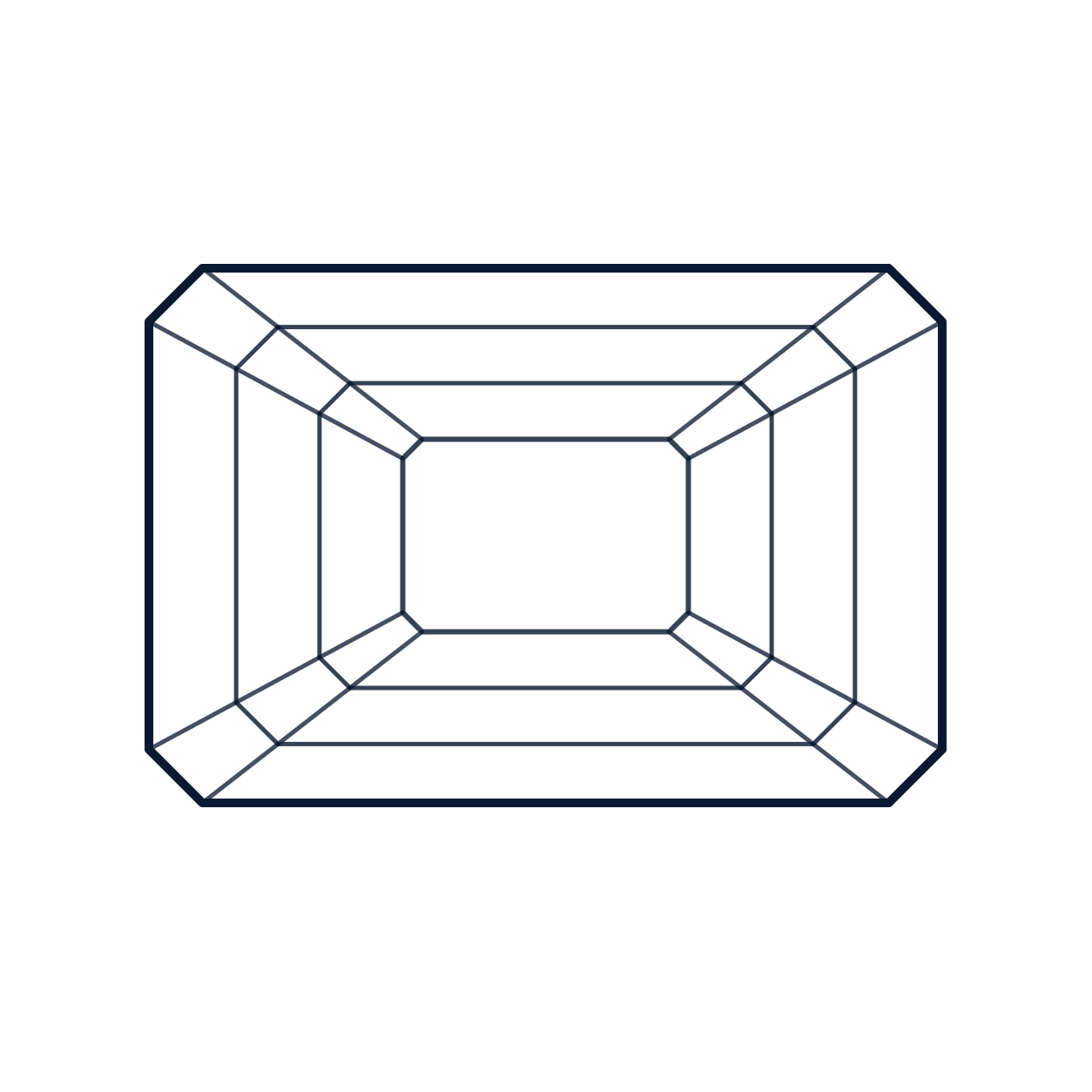
Two diamonds can have related geometric outlines but use different facet patterns. Emerald cuts and radiants both have cropped corners, yet their internal patterns and character of light are very different.
Illustrative examples—not shown to scale.
The three cutting-style families used in this guide
Brilliant and modified brilliant
Radiating facets create a lively pattern of brightness, fire and scintillation. Our examples are round brilliant, oval, pear, marquise, cushion and princess.
Mixed
Brilliant-style and step-cut facets are used within the same diamond. The radiant is our principal example.
Step
Long, parallel rows of facets create broader flashes and a composed hall-of-mirrors appearance. Our examples are emerald and Asscher.
A familiar shape name describes the outline you see, but it does not guarantee one fixed facet pattern. The exact cutting style and terminology depend on the individual diamond and its grading report.
Although oval, pear and marquise diamonds are usually brilliant-style cuts, GIA notes that unusual examples may instead use step faceting or a mixed cutting style.
Cut quality is the execution
Cut quality is a broad assessment of how successfully a diamond has been fashioned and how it handles light. Its proportions, facet arrangement and symmetry influence brightness, fire, scintillation and contrast, including whether areas appear lively or remain noticeably dark.
Although polish and symmetry contribute to a diamond’s finish and appearance, each receives its own grade on a laboratory report. Two diamonds can therefore share the same shape and cutting style yet still look different face-up and in motion.
Cut quality should not be confused with the overall Cut grade printed on some grading reports. GIA currently gives an overall Cut grade only to standard round brilliant diamonds in the D-to-Z colour range. IGI uses its own cut-grading methods, including an optional system for fancy-shaped diamonds. We explain these differences later on this page.

What the grading report may call your diamond
Both GIA and IGI use the Shape and Cutting Style field to describe a diamond’s outline and facet-pattern family. Many descriptions are the same, while others may use a familiar trade name or a more technical description.
The precise wording also depends on the individual diamond and its facet arrangement. We therefore check the wording printed on the matching grading report rather than assuming it from the familiar shape name alone.
The examples below come from genuine GIA graded mined diamonds and IGI graded lab-grown diamonds selected for this guide. The GIA and IGI examples are different diamonds, so any variation in wording should not be interpreted as the two laboratories describing the same physical stone differently.
- Round brilliant
- GIA Round Brilliant IGI Round Brilliant
- Oval
- GIA Oval Brilliant IGI Oval Brilliant
- Radiant
- GIA Cut-Cornered Rectangular Modified Brilliant IGI Cut Cornered Rectangular Modified Brilliant
- Asscher
- GIA Square Emerald Cut IGI Square Emerald Cut
- Pear
- GIA Pear Brilliant IGI Pear Brilliant
- Marquise
- GIA Marquise Brilliant IGI Marquise Brilliant
- Emerald
- GIA Emerald Cut IGI Emerald Cut
- Cushion
- GIA Cushion Modified Brilliant IGI Cushion Brilliant
- Princess
- GIA Square Modified Brilliant IGI Princess Cut
Shape and cutting style wording taken from the matching diamond grading reports.
Six of these nine pairs use exactly the same wording. The radiant descriptions use the same technical words with different punctuation. Cushion and princess show why the individual report must be read: different diamonds within a familiar shape family can use different facet arrangements or report terminology.
What does “Square Modified Brilliant” mean?
Square describes the outline you see from above. Modified brilliant describes the family of facet patterns beneath it: the brilliant-style arrangement has been adapted to work within a square shape.
Princess diamonds can use different crown and pavilion arrangements, so two reports may use the same broad description while the diamonds show different patterns of sparkle. The wording identifies the diamond’s shape and cutting style only. It does not grade the princess diamond’s overall cut quality or describe how it will look face-up and in motion.
Why does a radiant report not simply say “mixed cut”?
Mixed cut is a helpful visual description because a radiant combines aspects of step-style and brilliant-style faceting. On a GIA report, the wording is more specific. Cut-cornered rectangular or cut-cornered square describes the outline, while modified brilliant describes the facet-pattern family.
This identifies the diamond’s shape and cutting style. It is not an overall cut-quality grade.
Cut grade and cut quality are not quite the same thing
A laboratory cut grade is valuable, but it exists within that laboratory’s particular grading system. It should not be treated as a complete description of everything the eye will see.
As of October 2026:
- GIA gives an overall cut grade to the standard round brilliant on its standard diamond grading reports. The scale runs from Excellent to Poor.
- GIA reports for fancy-shaped diamonds record important information including measurements, polish and symmetry, but do not currently give those shapes an overall GIA cut grade.
- IGI assesses the overall cut of a round brilliant using its proportions, measurements and facet angles. Lower polish or symmetry grades may reduce the overall Cut grade. IGI’s published methodology calls its highest round brilliant category Excellent-Ideal, although the grading report itself may display the Cut grade as Ideal. On such a report, Ideal is the highest round brilliant Cut grade.
- IGI’s detailed Light Performance Report is an optional additional report and should not be confused with the Cut grade printed on the standard grading report.
- An overall IGI Cut grade for a fancy-shaped diamond is optional. Where it appears, the highest grade is Excellent, followed by Very Good, Good, Fair and Poor. The assessment considers polish, symmetry, proportions, shape-specific craftsmanship and light return.
- An IGI fancy-shape cut grade is useful information, but it still does not replace assessment of the individual diamond’s outline, facet pattern, bow tie and appearance in motion.
A GIA graded standard round brilliant with Excellent cut, Excellent polish and Excellent symmetry is commonly described in the jewellery trade as Triple Excellent or Triple X. This is the highest combination of these three report grades, but it does not mean every Triple Excellent diamond will look identical. Their proportions, face-up patterns and visual character can still differ.
For a mined, untreated diamond, GIA describes cut as the only one of the 4Cs completely within human control. However, every piece of rough diamond has its own shape, size and clarity characteristics, so producing the finished diamond requires a series of choices.
The planner and cutter must balance the diamond’s appearance, proportions, durability, clarity, finished carat weight and overall value. Cutting towards a particular set of proportions may require removing more of the rough diamond and producing a smaller finished stone. A different plan may retain more weight or work more effectively around the rough diamond’s inclusions and natural shape.
Modern scanning and planning technology helps assess the available options, but the cutter’s decisions and quality of workmanship still influence the finished result. This is why not every standard round brilliant receives an Excellent cut grade.
The grading report is the starting point
A grading report is an essential independent record of a diamond’s identity, measurements and quality characteristics. It is the starting point rather than the whole decision.
Diamond grades describe categories rather than making every diamond within them identical. Two diamonds can share the same shape, carat weight, colour and clarity grades while differing in measurements, length-to-width ratio, facet arrangement, bow tie, face-up spread and visual character.
We assess the report alongside a clear 360° magnified video of the loose, unset diamond. Depending on the shape, we consider its outline and symmetry, face-up spread, facet pattern, brightness, contrast, bow tie or windowing, and how consistently it comes to life as it moves.
This is why we never select or buy a diamond based solely on its grading report.
Four details worth comparing
The following four details help explain why diamonds with similar report grades can still look different. Explore them one at a time when comparing individual diamonds.
Length-to-width ratio: the same shape can have a different silhouette
Length-to-width ratio compares a diamond’s length with its width. It is calculated by dividing the length by the width.
Length-to-width ratio describes the outline, not the quality. A higher number usually looks more elongated; a lower number looks broader, rounder or squarer. There is no single ratio that is best for everyone.
Why measurements alone are not enough
GIA’s research explains that fancy shapes vary in ways that extend beyond length-to-width ratio. Shoulder shape, wings, point angles, proportions and facet arrangements can all affect the face-up appearance. Table percentage, depth and ratio are useful information, but they cannot determine by themselves whether a fancy-shaped diamond will be attractive.
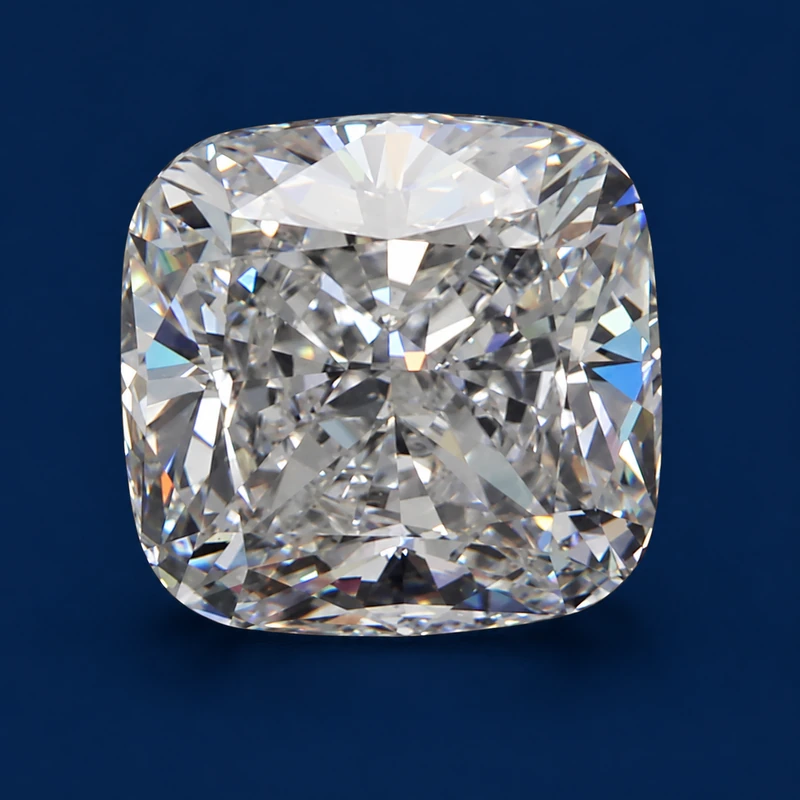
Cushion: from softly square to distinctly elongated
Cushion diamonds can range from softly square to distinctly elongated. The length-to-width ratio describes this difference in outline, while the cutting style describes the arrangement of the facets within it. Neither outline is automatically better—the right choice is the one you prefer.
An elongated cushion can still have broad antique-inspired facets, a modern brilliant pattern or a modified-brilliant pattern with smaller reflections. Ratio and cutting style are separate choices.
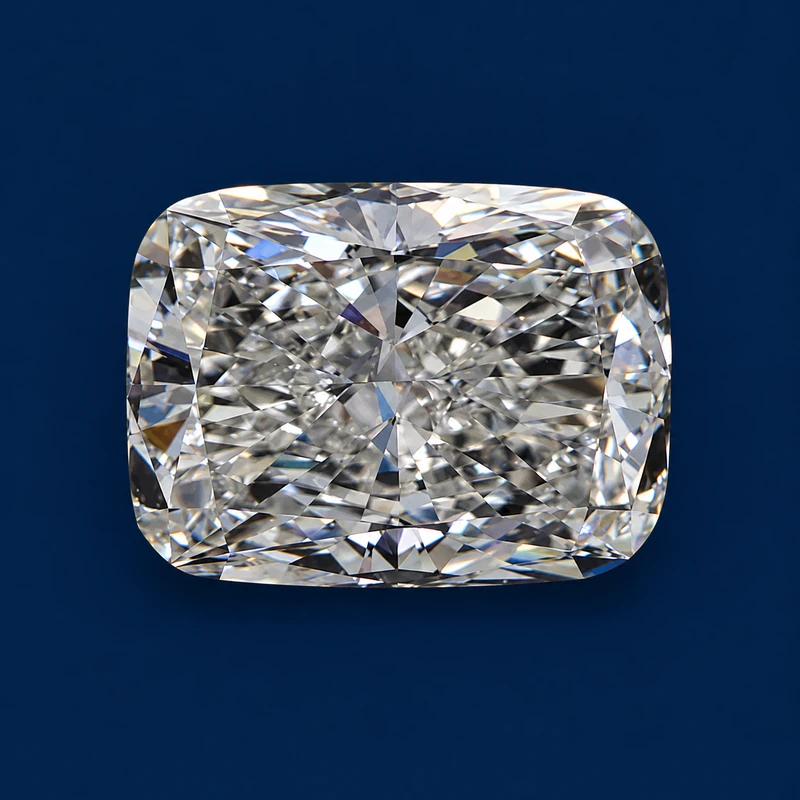
Oval: broad, classic or elongated
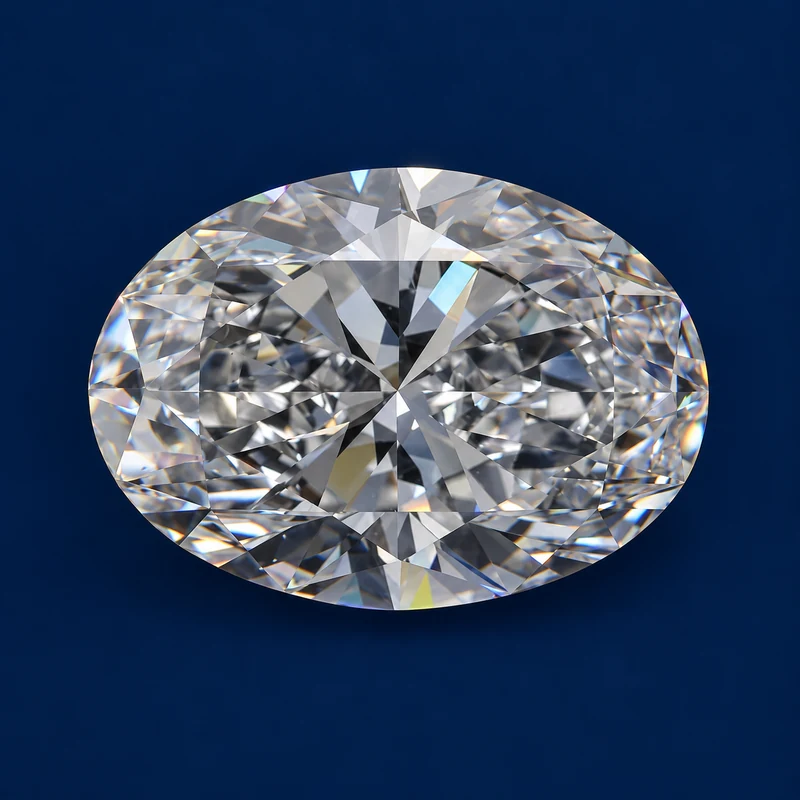
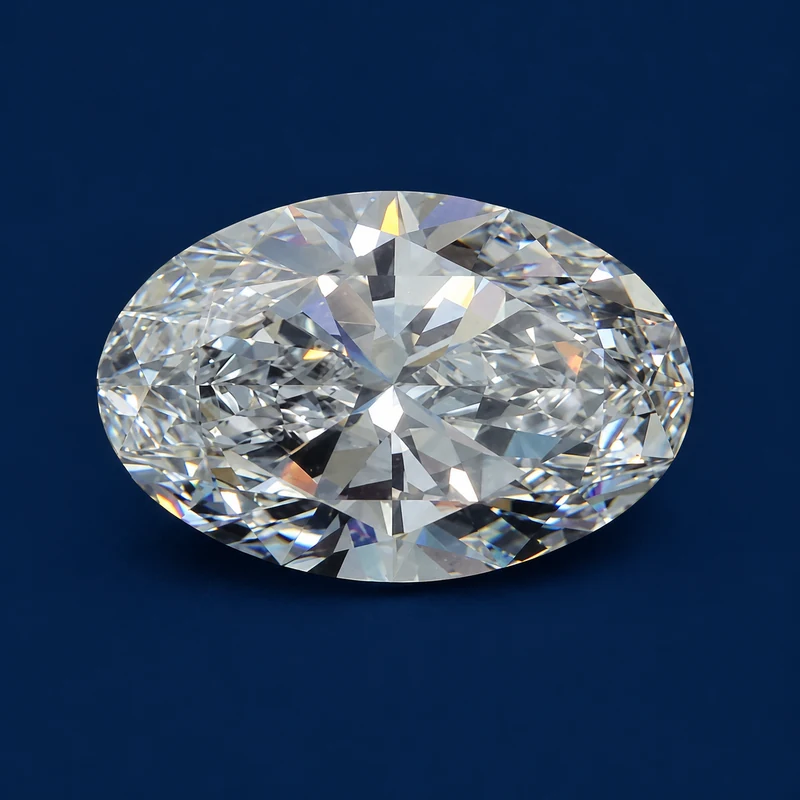
A lower ratio creates a broader oval; a higher ratio creates more length. Ratio alone does not describe the shoulders, the balance of the outline or the strength of a bow tie.
Emerald: broad rectangle or longer silhouette
A broader emerald cut can feel classic and architectural, while a longer emerald can create a streamlined, contemporary presence. Neither is a cut-quality grade. Step pattern, contrast, transparency and weight distribution still need to be assessed.
Radiant, pear, marquise and princess
Radiants may be square or rectangular. Pear and marquise diamonds may feel broad, balanced or slender. Most princess diamonds are square, although rectangular variations exist. In every case, ratio helps describe the silhouette; it cannot tell you whether the finished diamond is beautiful.
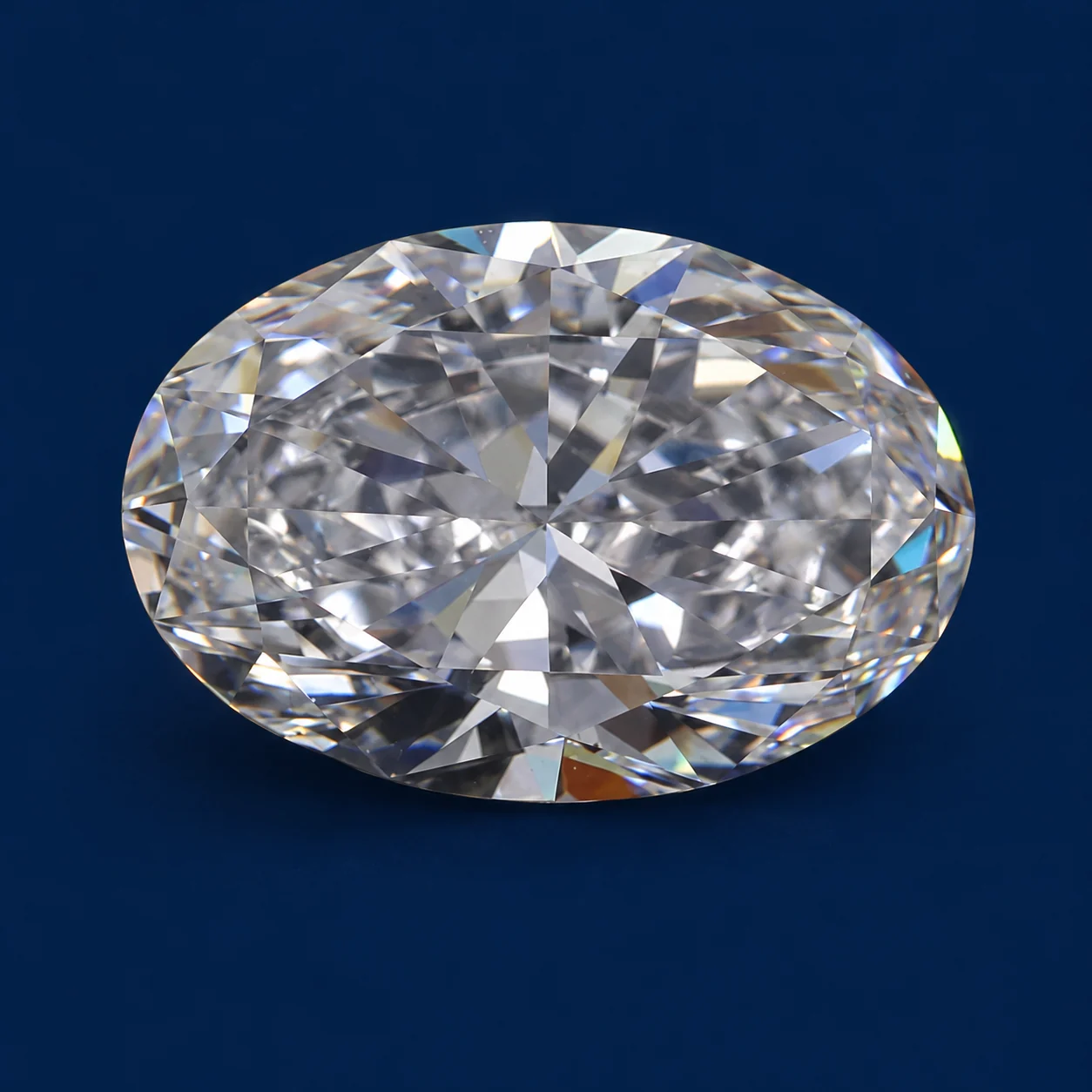
Oval examples
These face-up examples show two oval outlines. Their ratios describe length compared with width; other diamond characteristics also differ.
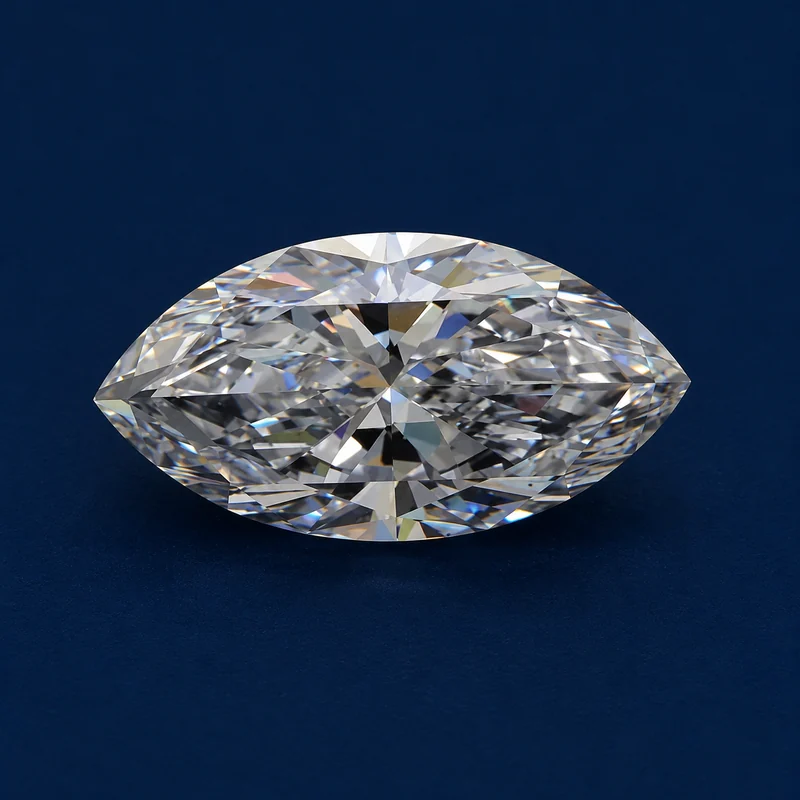
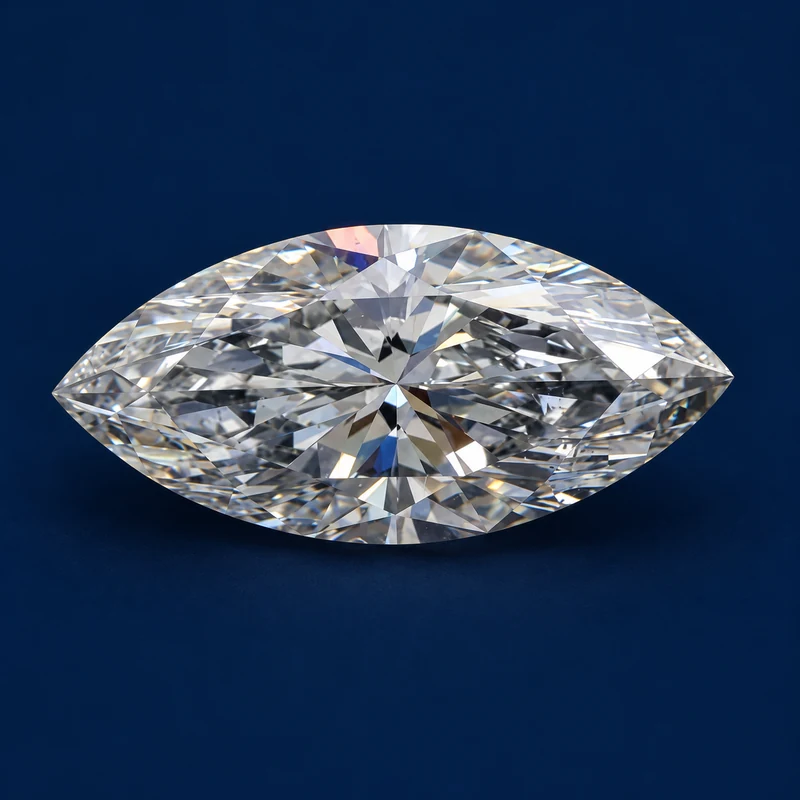
Marquise examples
Compare a familiar, balanced outline with a more elongated marquise. These are illustrative examples; carat weight and other characteristics differ.
Pear examples
Pear examples range from more balanced to more slender. The ratio label comes from measurements; these photos are angled and are not shown to scale.
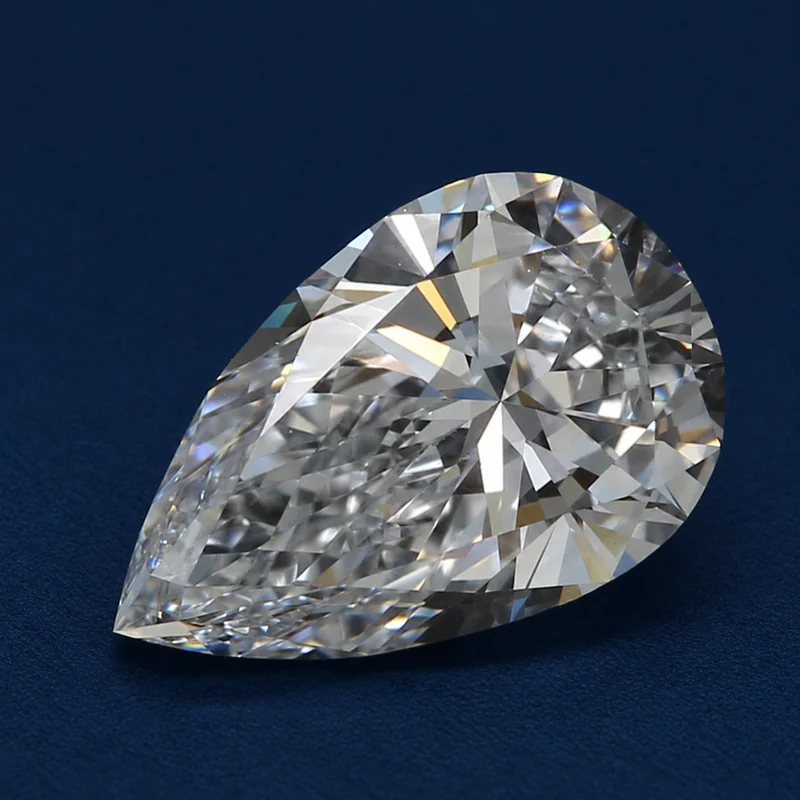
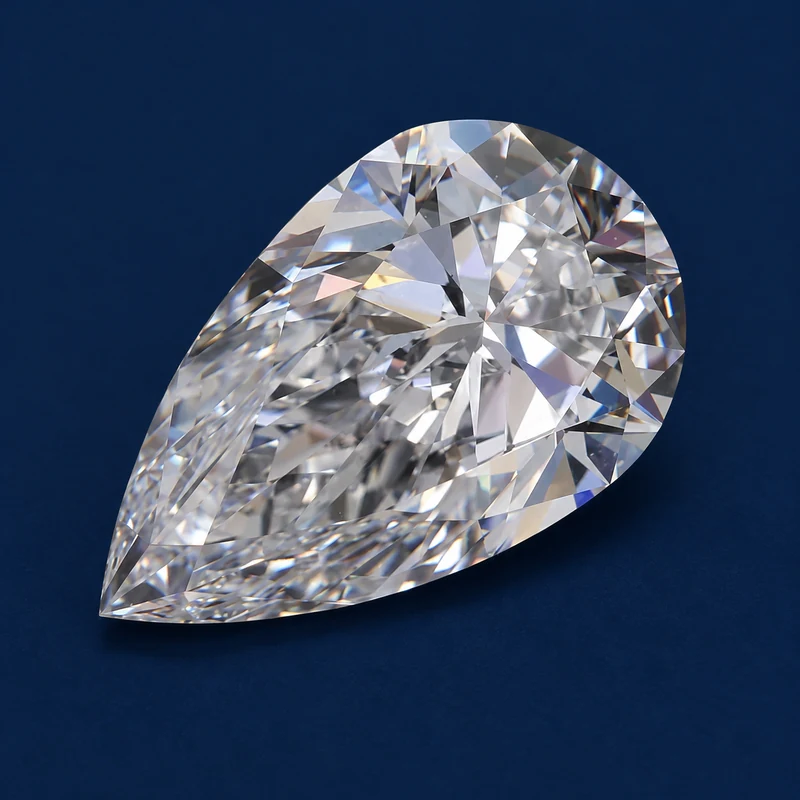
Illustrative examples—not shown to scale. Ratio describes outline only; it is not a cut-quality grade.
A note about round brilliants
For a round brilliant, ratio serves a different purpose. Because the outline should appear circular, its minimum and maximum diameters should be very close. We consider these measurements alongside the diamond’s symmetry and overall face-up appearance.
These ratios are useful guides for comparing outlines. They are not GIA cut grades or guarantees of beauty, and attractive diamonds can fall outside these ranges.
Bow-tie patterns are common in elongated brilliant-style diamonds, particularly ovals, pears and marquises. They appear as an area of contrast across the centre and can vary considerably between individual diamonds.
A small or changing bow tie is not automatically a fault. What matters is how the central contrast behaves as the diamond moves. A subtle bow tie may alternate between bright and dark flashes, while a broad, dark pattern that remains prominent through different angles can dominate the centre.
When selecting an oval diamond, we assess its 360° magnified video alongside its grading report. We also consider its outline, symmetry, light return and any windowing, allowing us to assess the individual diamond rather than relying on measurements or one still image.
Clarity can look different in different cuts
The large, open facets of an emerald or Asscher cut can make inclusions easier to see. The busier reflections of a round brilliant and other brilliant-style diamonds may conceal some small inclusions more readily.
Illustrative examples—not shown to scale.
The clarity grade is therefore a starting point rather than a promise that a diamond will—or will not—appear eye-clean. Visibility also depends on the size, nature, position and relief of the inclusion, the size and facet pattern of the diamond, the viewing conditions and the viewer’s eyesight.
Laboratories assign clarity grades using 10× magnification. Eye-clean is a practical viewing description, not a separate GIA or IGI grade.
We assess each diamond and how it appears face-up. We do not apply one automatic minimum clarity grade across an entire shape family.
Carat measures weight. It does not directly measure how large a diamond looks from above.
Two diamonds of the same carat weight can have different face-up dimensions because their shapes, depths and proportions distribute that weight differently. A diamond can retain more weight below the girdle and appear smaller from above, while another may have a wider face-up spread.
This does not mean that the shallowest diamond is automatically better. Spread, proportions, durability and light performance must be considered together.
Explore the nine principal diamond shapes
Select a shape to see its character and the particular qualities we examine.
Round brilliant
The round brilliant is the most standardised and extensively studied brilliant-style diamond. Its circular outline and radiating facet pattern are designed to create a balanced combination of brightness, fire and scintillation.
Why you may love it: timeless symmetry, lively sparkle and exceptional versatility across classic and contemporary designs.
What we examine: cut grade, proportions, symmetry, polish, face-up pattern, contrast and consistency as the diamond moves. A GIA Excellent cut grade is valuable information, but diamonds within the same grade can still show individual differences.
Did you know? The modern round brilliant developed through generations of old mine, old European and transitional brilliants as cutting equipment and proportion research allowed a more standardised circular outline and facet arrangement.
Oval
An oval combines the lively character of brilliant-style faceting with an elongated outline. It can create an elegant sense of length and often offers generous finger coverage.
Why you may love it: soft curves, modern romance and a distinctive look that remains easy to wear.
What we examine: the balance of the outline, even shoulders, face-up spread and how the central contrast behaves in motion.
Variations: broad, classic and elongated ovals can all be attractive.
Did you know? Oval-like brilliants existed earlier, but the modern oval brilliant was developed in 1957 by diamond cutter Lazare Kaplan.
Radiant
The radiant brings brilliant-style life to a cut-cornered square or rectangular outline. It offers a strong geometric shape with a busier, more energetic pattern than an emerald cut.
Why you may love it: bold structure, lively reflections and the choice of a square or elongated silhouette.
What we examine: outline balance, cropped corners, face-up spread, dark or glassy areas and whether the pattern remains lively across the stone. Radiant facet arrangements vary, so the individual diamond must be seen.
Did you know? The radiant is a modern hybrid developed in the late 1970s, combining an emerald-like cut-cornered silhouette with a brilliant-style pavilion.
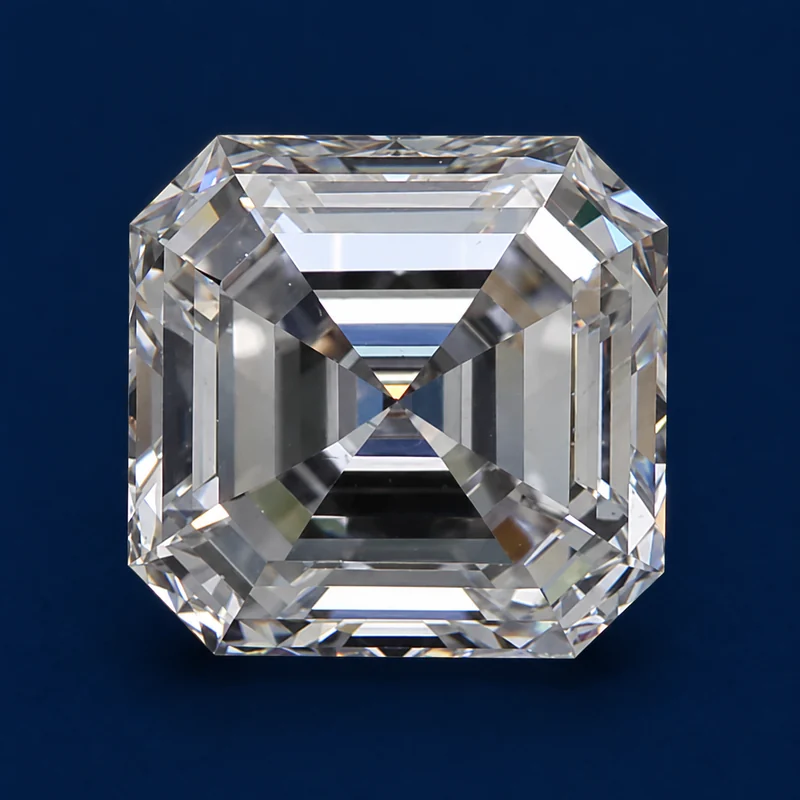
Asscher
The Asscher is a square or near-square step cut with cropped corners. Its concentric rows of facets create broad flashes and a distinctive architectural pattern.
Why you may love it: Art Deco character, symmetry and a calm, hall-of-mirrors style of light.
What we examine: the central pattern, facet alignment, contrast, transparency, symmetry and the visibility of colour and inclusions. Its open appearance can reveal details that a busier brilliant-style cut may disguise.
Did you know? Joseph Asscher developed his square step cut in 1902. The later Royal Asscher is a redesigned, patented 74-facet cut and is not identical to every square emerald cut.
Pear
The pear combines a rounded end with a tapered point. Its asymmetrical outline can feel romantic, elegant and quietly unconventional.
Why you may love it: graceful length, a distinctive point and the choice of wearing the point towards or away from the hand.
What we examine: matching shoulders and wings, point alignment, outline symmetry, face-up spread and how the central contrast behaves in motion. The point should be protected by an appropriate setting.
Did you know? Pear and drop-shaped diamonds have a long history, but the modern pear brilliant adapts brilliant-style faceting to an outline with only one axis of symmetry.
Marquise
The marquise has a long, boat-shaped outline with a point at each end. It can create a dramatic lengthening line along the finger and often appears large for its carat weight because of its extended face-up shape.
Why you may love it: confident drama, strong finger coverage and a shape that feels unmistakably individual.
What we examine: point alignment, matching wings, outline symmetry, girdle condition, face-up spread and how the central contrast behaves in motion. Both points require secure protection.
Did you know? The marquise developed from the navette, or boat-shaped, outline. The often-repeated story connecting it to Madame de Pompadour is a jewellery legend rather than a securely documented origin.
Emerald
The emerald cut is a rectangular step cut with cropped corners and long, parallel rows of facets. Its beauty comes from broad flashes, clean lines and a composed hall-of-mirrors effect rather than rapid brilliant-style sparkle.
Why you may love it: understated confidence, elegant geometry and an open view into the diamond.
What we examine: step pattern, contrast, transparency, windowing, symmetry, colour and the visibility and position of inclusions. Fixed depth or ratio rules cannot replace looking at the complete stone.
Variations: broader rectangles feel classic and architectural; longer silhouettes can feel streamlined and contemporary.
Did you know? Emerald cuts and baguettes are both step cuts, but they are not the same. An emerald cut normally has cropped corners and is often used as a centre diamond; a baguette is usually smaller, longer and narrower and is commonly used as a side stone.
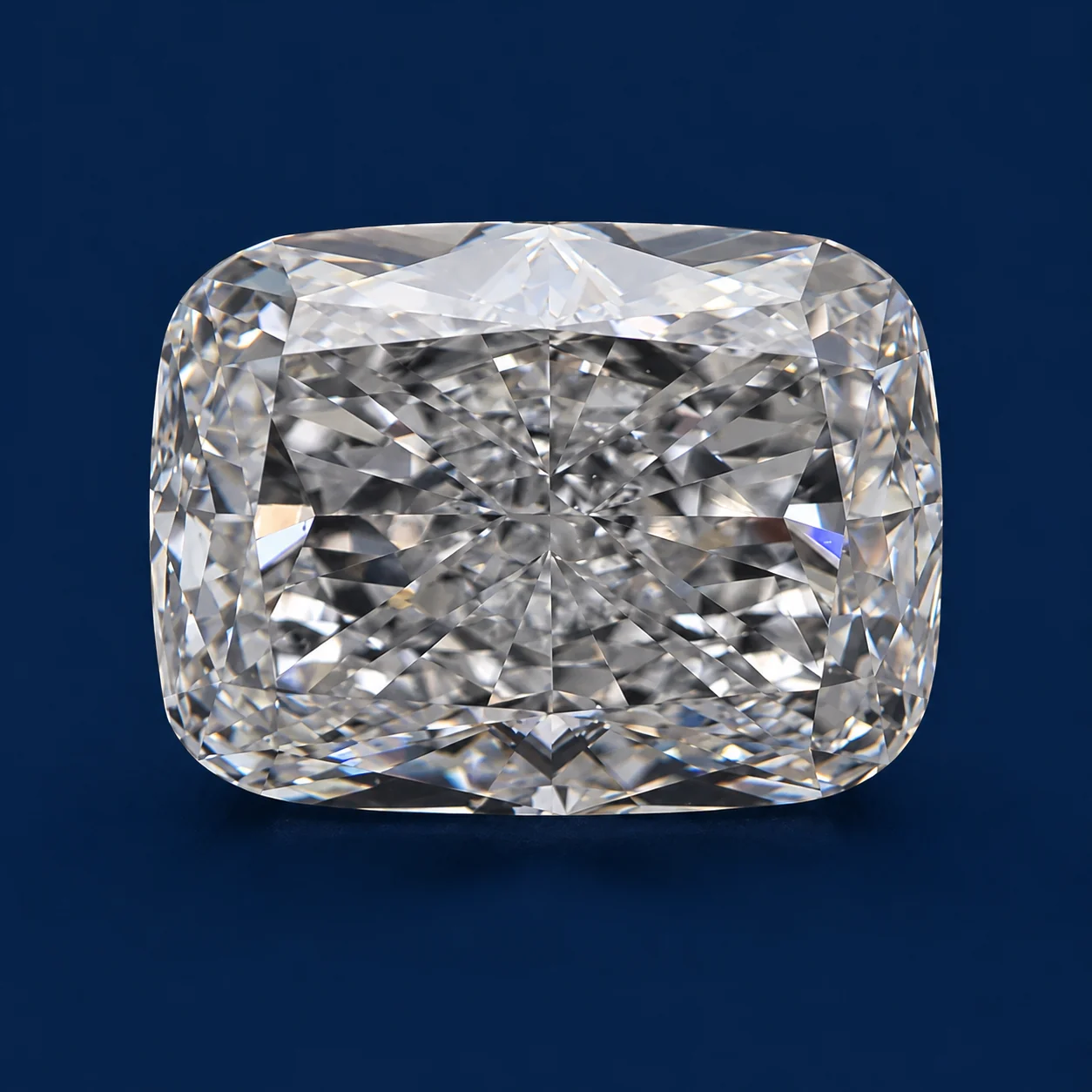
Cushion
The cushion is a broad family of softly square or rectangular outlines with rounded corners. It may use brilliant, modified-brilliant or antique-inspired faceting, giving it one of the widest ranges of visual character.
Why you may love it: romantic softness, a choice of square or elongated outlines and facet patterns ranging from broad and defined to lively and finely detailed.
What we examine: outline, ratio, corner shape, face-up spread, depth, symmetry and whether the facet pattern is attractive across the whole diamond. A deeper cushion can retain more weight below the girdle and appear smaller face-up.
Variations: square and elongated cushions can show very different patterns of broad or finely detailed reflections.
Did you know? The old mine cut was a forerunner of today’s cushion brilliant. Its softly square outline, high crown, small table and deep pavilion give it a character distinct from most modern cushions.
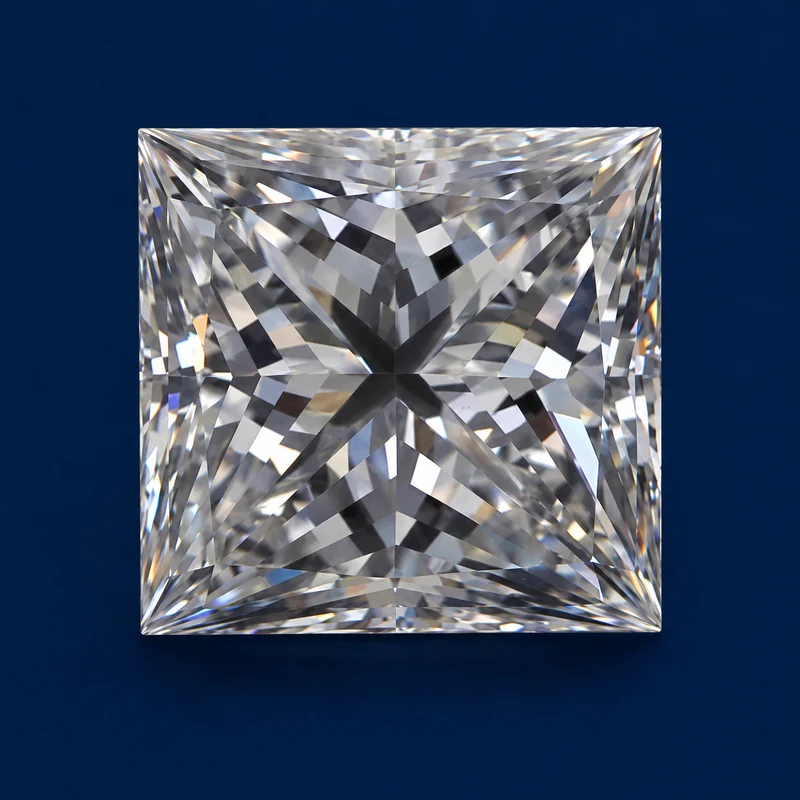
Princess
The princess is normally a square modified brilliant with sharp corners and a lively, geometric pattern. Its internal arrangement can vary considerably between diamonds.
Why you may love it: clean modern lines, strong sparkle and a square outline that feels crisp rather than softly rounded.
What we examine: square balance, symmetry, corner condition, face-up spread and whether the chevrons and other facets create an appealing, even pattern. The sharp corners need suitable protection.
Variations: the number and arrangement of pavilion chevrons can change the apparent size and pattern of the flashes.
Did you know? The princess is a modern cut introduced in 1981. It adapts brilliant-style faceting to a square outline and should not be confused with square step cuts such as the Asscher.
Illustrative examples—not shown to scale.
Frequently asked questions
No. Shape is the outside outline viewed from above. Cut style is the arrangement of the facets within it. Cut quality is how successfully those facets have been proportioned and finished.
The round brilliant is designed and standardised to create a strong balance of brightness, fire and scintillation. Other brilliant-style shapes can also be extremely lively. The result depends on the individual diamond’s proportions, facet pattern and cut quality—not the shape name alone.
Elongated shapes such as oval, pear and marquise can create generous finger coverage, but visible size depends on the actual millimetre measurements and weight distribution. Carat is a measure of weight, not face-up diameter or area.
GIA currently gives an overall cut grade to the standard round brilliant, not to fancy-shaped diamonds. IGI may provide an overall cut grade for a broader range of shapes. In either case, the individual outline, facet pattern and appearance in motion still need to be assessed.
GIA is researching the cut quality of fancy-shaped diamonds, with published work currently focused on oval, pear and marquise shapes. This research considers outline, facet arrangement, brightness, windowing, bow-tie patterns and appearance in motion.
GIA has not yet introduced an overall cut grade for these shapes. At present, its overall Cut grade applies to standard round brilliant diamonds, while fancy-shaped diamond reports record information including polish and symmetry. We will update this guide if GIA announces a new grading service.
No. Both are step cuts, but an emerald cut normally has a broader rectangular outline with cropped corners and is frequently used as a centre diamond. A baguette is usually smaller, longer and narrower and is commonly used as a side diamond.
Princess, pear and marquise diamonds have points or corners that require an appropriate setting. Radiant, emerald and Asscher diamonds also have cropped corners that should be considered when choosing the mount. No diamond is impossible to chip, so secure setting design and routine checks remain important.
Many elongated shapes can be used in an east–west design, but the mount must be made for the particular outline, dimensions and setting requirements. It is a design option rather than a universal conversion.
Your diamond, chosen around you
The rings shown online represent only part of what is available. Diamonds and settings can be sourced or made to suit your preferred shape, precious metal, design, price range and timescale. Most pieces made to order take approximately two to six weeks, although some designs may be available sooner.
Visit our private, appointment-based showroom on Mitchell Lane in Glasgow, or choose remotely with personal guidance by telephone, email or WhatsApp.
No pressure and no unnecessary jargon—just clear guidance from experienced diamond specialists.
Jennifer – Sales Manager
Last reviewed: October 2026